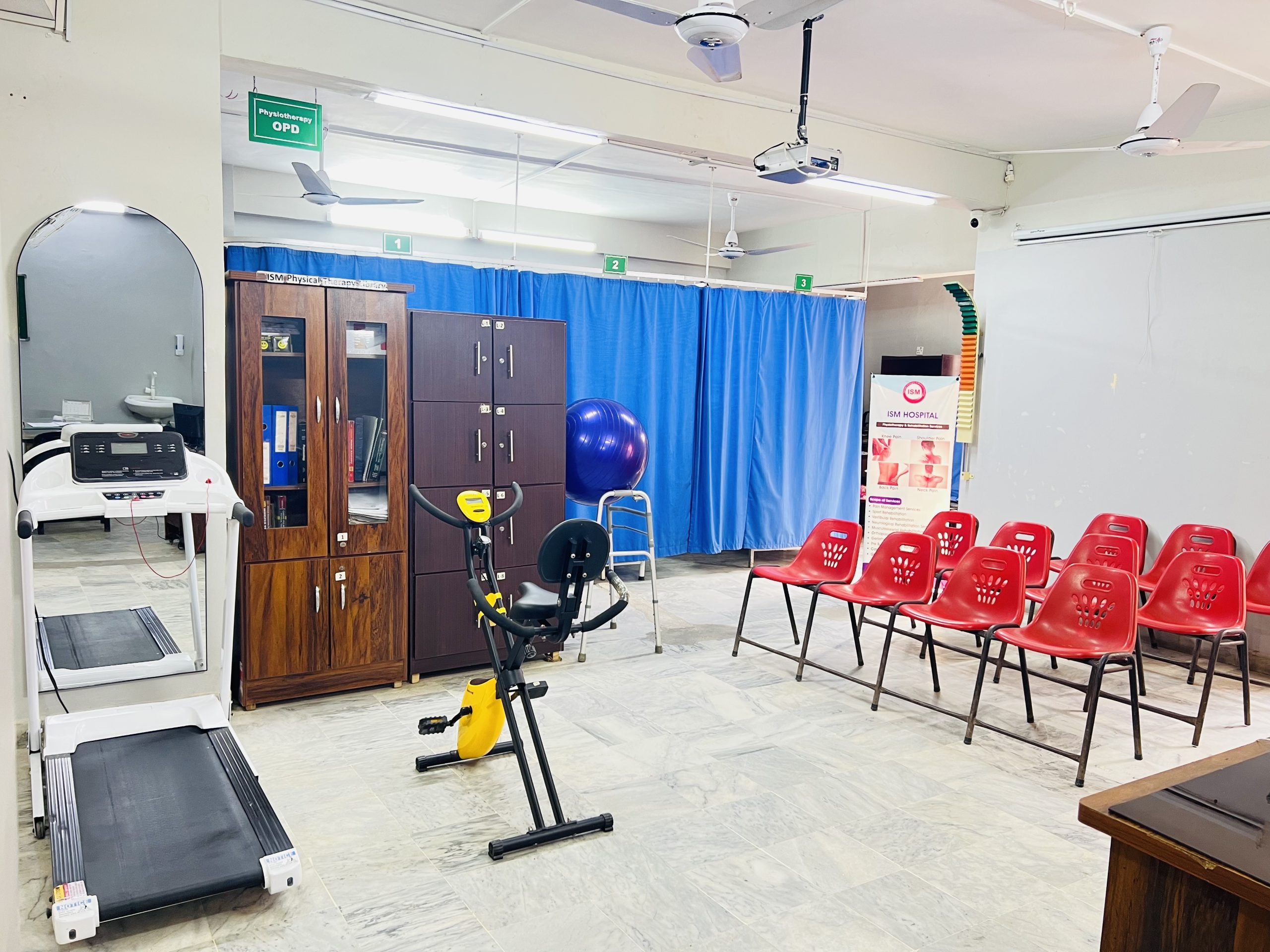
Physical therapy treatment techniques are designed to address certain components of the injury and recovery process. Manual therapy techniques, such as massage and joint manipulation, are used to relieve pain, reduce muscular tension, and increase mobility. Another essential component of treatment is therapeutic exercise, which aims to strengthen the area that has been injured, increase flexibility, and restore normal movement patterns. These kind of exercises are recommended for rehabilitation following surgery, decreased range of motion, and muscle weakness.
Common sports injuries like
ACL and MCL tear
Meniscal tear
Ankle sprain
Tennis and golfer’s elbow
boxer fracture and jones fracture.
Jumper’s knee and runner’s knee
Goals
Pain management, Inflammation reduction, and healing are achieved by the use of modalities such as electrotherapy, cryotherapy, heat therapy, ultrasound, and laser therapy. For the treatment of both acute and chronic pain disorders as well as muscle spasms, electrotherapy, which stimulates muscles and nerves using electrical currents is recommended.
Restoring functional ability and getting the athlete ready to resume their sport are the main goals of rehabilitation. To make sure the athlete is prepared for competition, functional training includes movements and activities that closely resemble the particular actions of the sport. This strategy is recommended after major muscle or joint injuries or after surgery, but it should not be used too soon or in a way that puts excessive stress on the healing tissues, since this could cause re-injury. Training in balance and proprioception improves stability, agility and coordination, which is essential for avoiding additional injuries.
One of the main goals of physical therapy is to prevent future injuries by teaching proper techniques, warm-up routines, and strength conditioning. Athletes who play high-risk sports or have a history of recurrent injuries can especially benefit from this instruction. However, it may not be advisable to implement preventive measures too soon or incorrectly. It may be harmful to begin advanced strength training before the original injury has completely healed.
Physical therapy helps to ensure an efficient recovery, improves sports performance, and reduces the risk of further injuries by being aware of and following the indications and contraindications at each step.